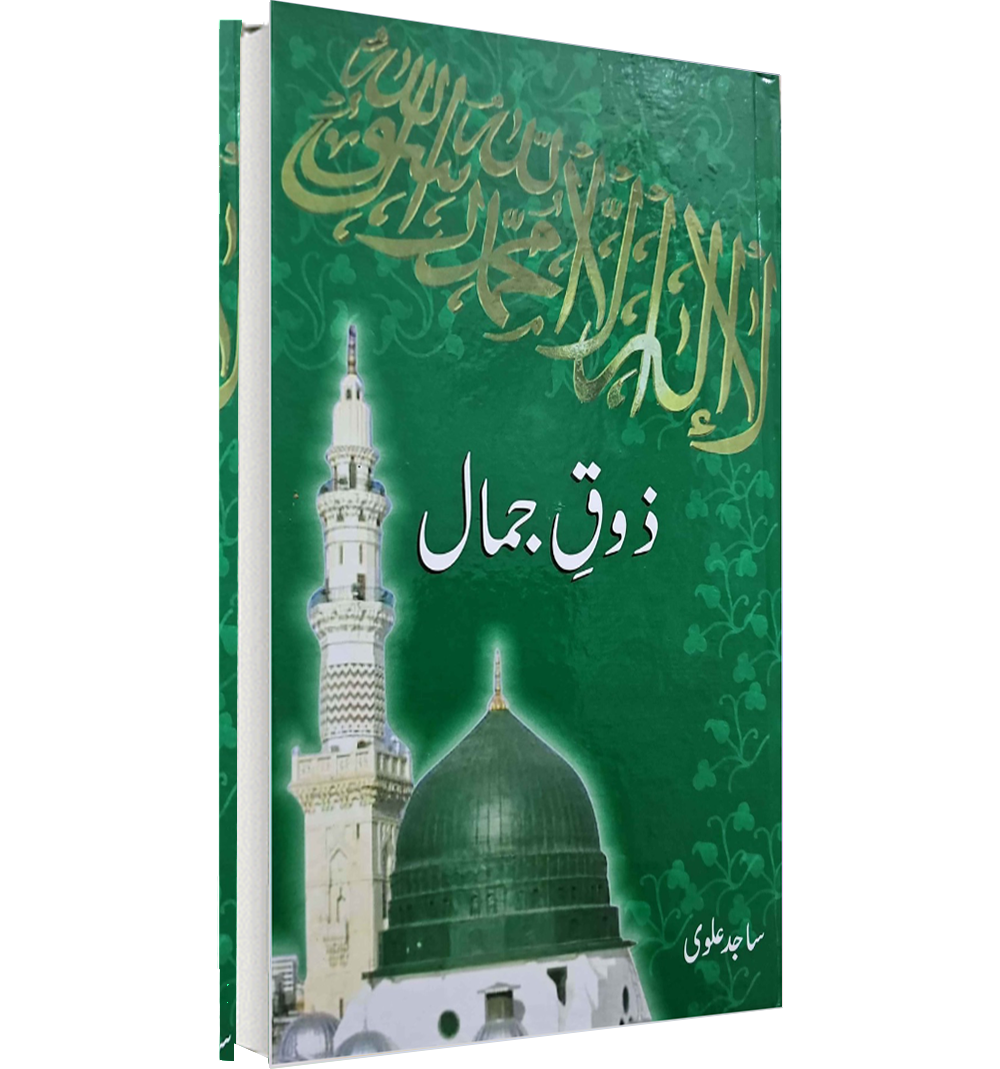
Biography
Mr. Muhammad Saddiq Alvi (known as Sajid Alvi) belongs to an average family. His ancestors were devoted in fasting and prayers, with piety as their motto. They were affluent in religious knowledge and were esteemed in society. Mr. Sajid Alvi was born on the morning of 1st February 1931, in the home of Haji Muhammad Noor Alvi (late), known as “Noori Hazuri”. His ancestral homeland is Chakwal.
Hazrat Pir Syed Moin ul Haq Gillani (2003) the chief custodian of Golra Sharif shrine described Sajid Alvi’s spiritual connection with Golra Sharif in the preface of his Naat collection “Jan-e-Jahan” as follow: “Mr. Sajid Alvi had the privilege of pledging allegiance (baet) to Hazrat Pir Syed Ghulam Mohyuddin Gillani (RA), alias Babuji in 1958, and in 1972, he permanently settled in Islamabad. He is known as “Alvi” due to attaining the status of “Qutb Shahi” His grandfather, Pir Faqeer Muhammad Hassan, and father, Haji Muhammad Noor Alvi, were devoted to worship and fasting throughout the night. Both were counted among the special devotees of Hazrat Pir Syed Mehr Ali Shah Gilani (RA)”.
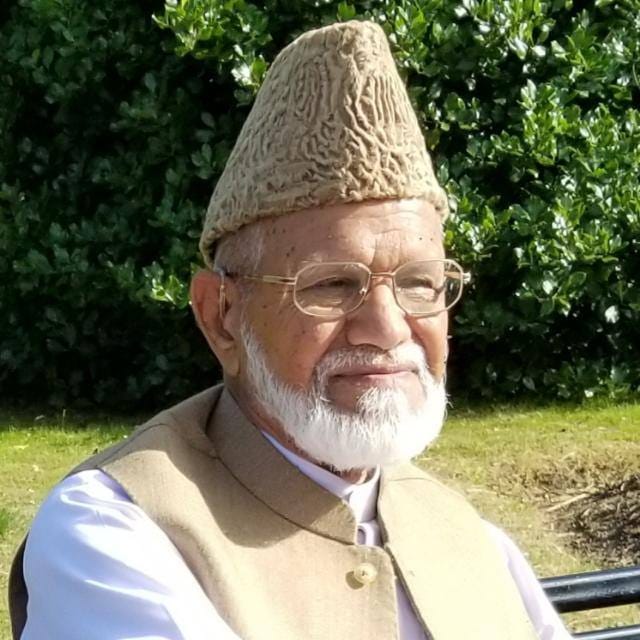
In the pure environment of your home, you grew up and found love for the Prophet’s heritage. You have been cherished by the school of thought since the beginning. There is a special inclination towards the discourse of knowledge. Mr. Sajid Alvi’s world is rich with joy and delight. Along with the esteemed position of reciting religious poetry, you are also a scholar of Jafar, whose knowledge has been passed down to you.
You were inclined towards education from the beginning. You completed your M.A. BT and were associated with the teaching profession. In your tenure of service, you were known as a successful subject specialist and retired as a principal with the special grace, generosity, honour, and dignity of Allah Almighty. Mr. Sajid Alvi Sahib’s spiritual affiliation is with the revered Golra Sharif shrine, which he inherits from his ancestors. Your literary participation remained with the monthly magazine ‘Mehr-e-Muneer’ from Golra Sharif. A poem in relation to the appreciation of connoisseurs is presented here for service.”
زندگی گزری درِ مہرِؒ علی پر ساجدؔ
اپنا دربان مجھے آلِؑ عَبا نے رکھا
The Beginning of Poetry Recitation
Since childhood, Mr. Sajid Alvi Sahib had a passion for poetry recitation. And the passion for acquiring knowledge was ingrained in his heritage. At the age of 16, in a poetry gathering held on August 14, he recited the first verse of his composition.
بحمداللہ چمن میں ازسر نو پھر بہار ائی
گھٹا عشرت کی چھائی اور بوئے مشکبار ائی
The Beginning of Ghazal Recitation
Mr. Sajid Alvi’s connection stems from an educated household. Therefore, after obtaining higher education, they quickly found themselves in the workforce and became dedicated to the field of teaching. While residing in Chakwal, they often participated in gatherings centred around poetry and literature. Many friends and acquaintances would frequently visit their home, engaging in poetic conversations alongside tea. It was a time when ghazal recitation held significant importance for them. The first verse of ghazal recitation from that period is noted as follow:
سحر ہوئی تو ہر ایک لب پہ شور محشر تھا
ہم اور ذکر شب انتظار کیا کرتے
Indeed, it is essential to mention the special companions of Mr. Sajid Alvi Sahib during his time in Chakwal, who have now departed from this transient world. Among them are Professor Bagh Hussain Kamal (late), Syed Iftikhar Hussain Naqvi (late), Riaz Chishti (late), Jameel Hashmi (late), Mushtaq Qazi (late), Shaukat Wasati (late), and Majid Sadiqi (late).
Some well-known personalities from this circle of companions are still present today, including Jameel Yousuf, Ihsan Elahi Ihsan, Abid Jafri, and Professor Ihsan Akbar.
The Beginning of Naat Recitation
In 1958, when you were twenty-six years old, you participated in the annual Urs Pak at Golra Sharif. There, you had the privilege of pledging allegiance (baet) to Hazrat Pir Syed Mehr Ali Shah Gilani’s (RA) son, the revered Pir Syed Ghulam Mohiyuddin Gilani (RA), alias Babu Ji. After taking the pledge, you experienced increased agitation in your spiritual state, and suddenly, sitting with friends, engaging in poetic gatherings, ceased. Several years passed like this, and you became devoted to fasting and prayers. Your lips uttered frequent blessings (Darood Sharif), but after some time, a decrease in your restless condition began, and gradually, you were drawn back towards poetry recitation.
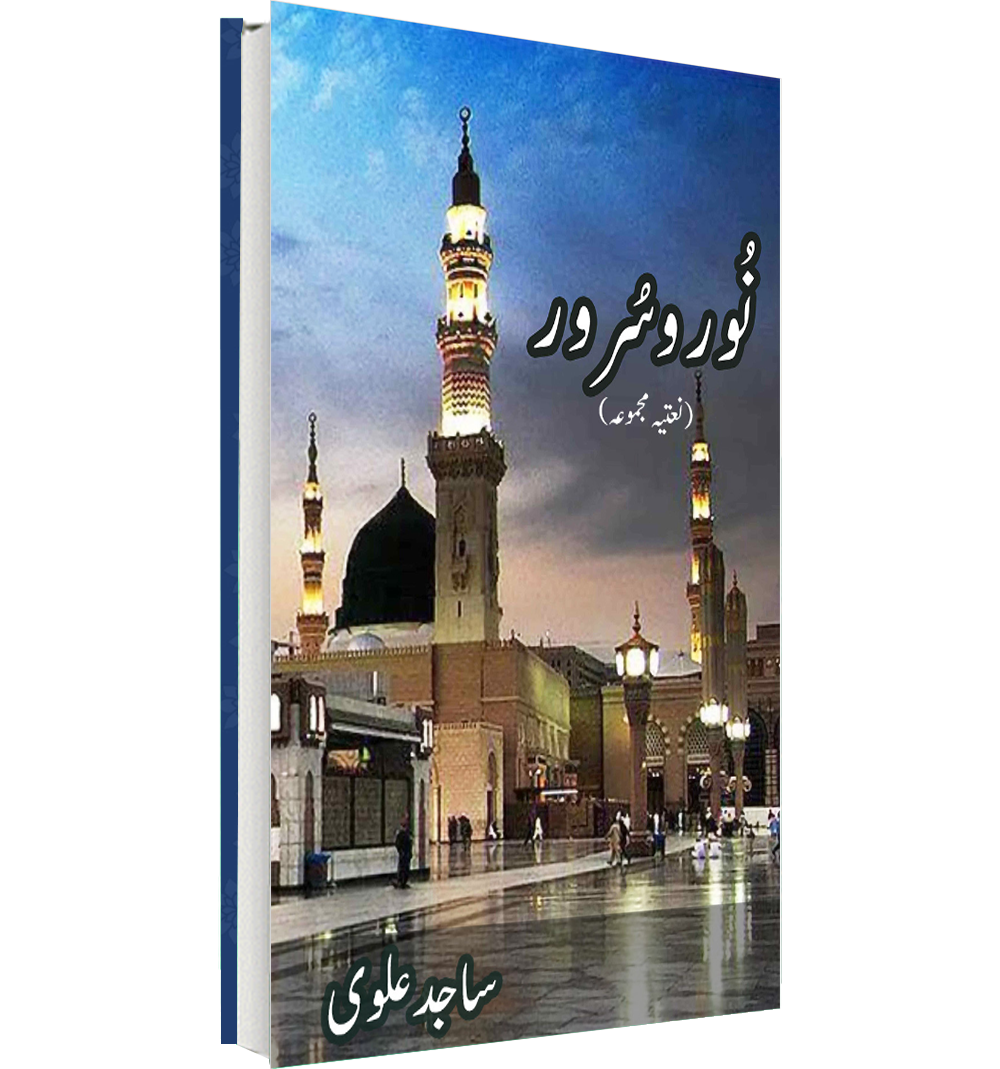
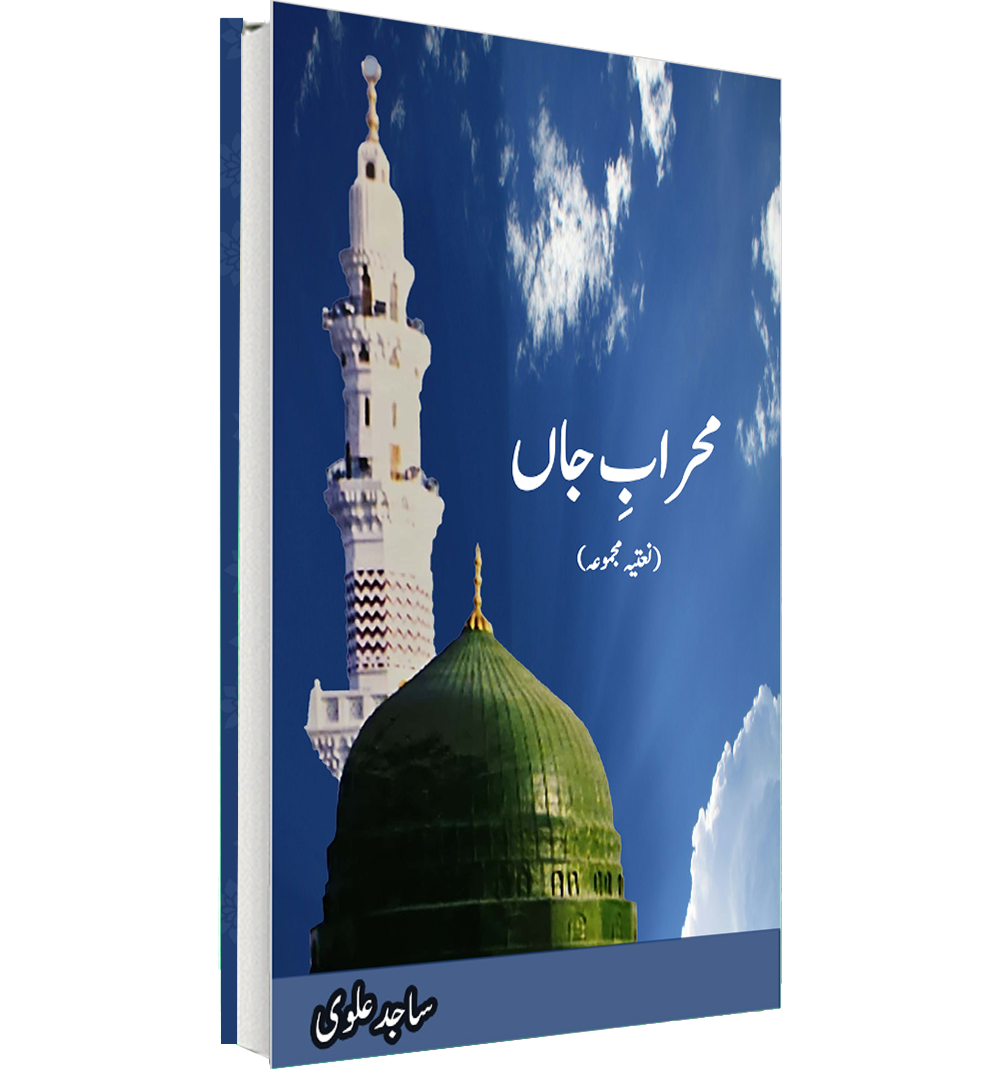
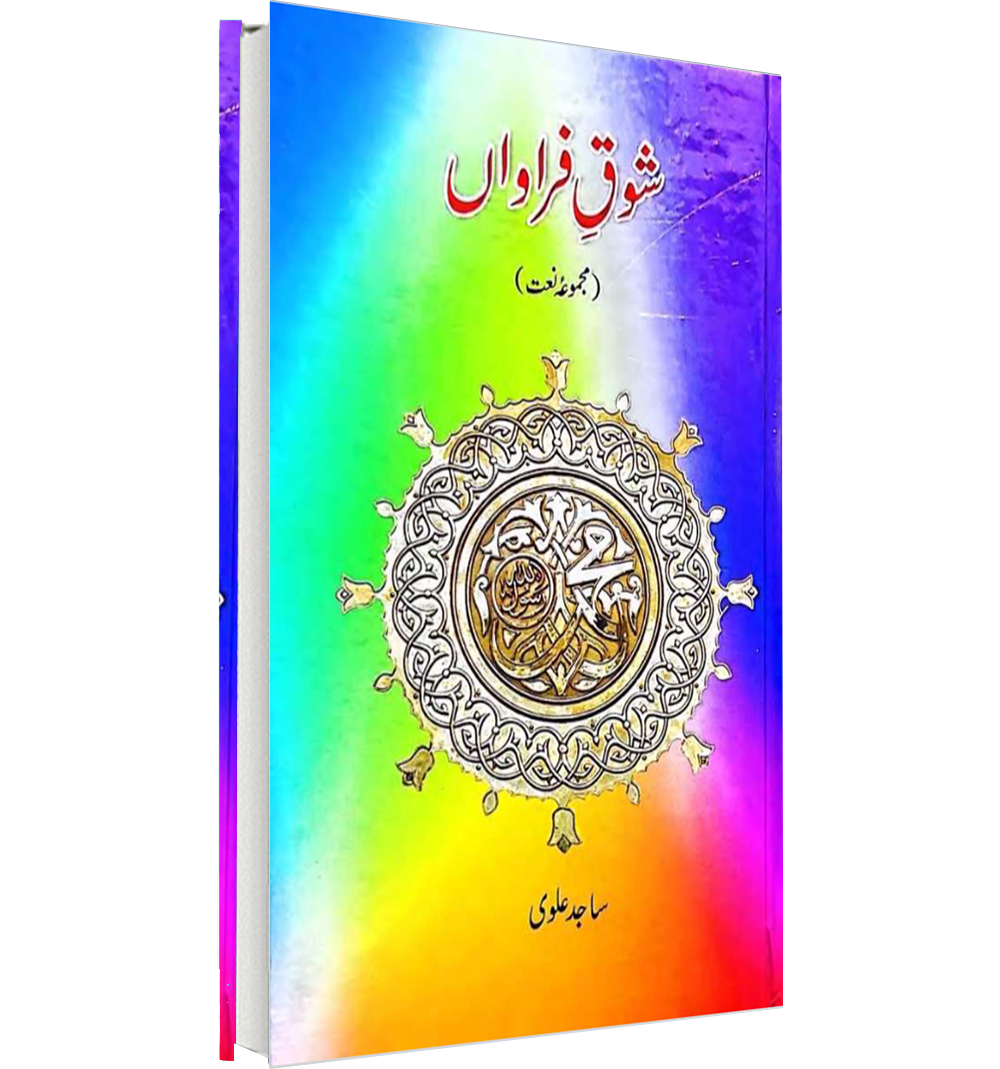
A significant transformation occurred in your personality, as whenever you recited a verse, it would be in praise of the Prophet Muhammad (peace be upon him), due to the special increase in love for the Prophet (peace be upon him) derived from the abundant blessings of Salawat. This was the period when you took the first step towards Naat recitation. Here are a few verses marking the beginning of Naat recitation, presented for service.
دلِ حزیں کو خوشی کا پیام آیا ہے
مِری زباں پہ محمدؐ کا نام آیا ہے
سُرور و کیف سے مد ہوش دل کی دنیا ہے
ضرور دل کو جوابِ سلام آیا ہے
نبیؐ کا شہر ہے آہستہ سانس لے ساجدؔ
نظر جُھکا درِ خیرالاَنام آیا ہے
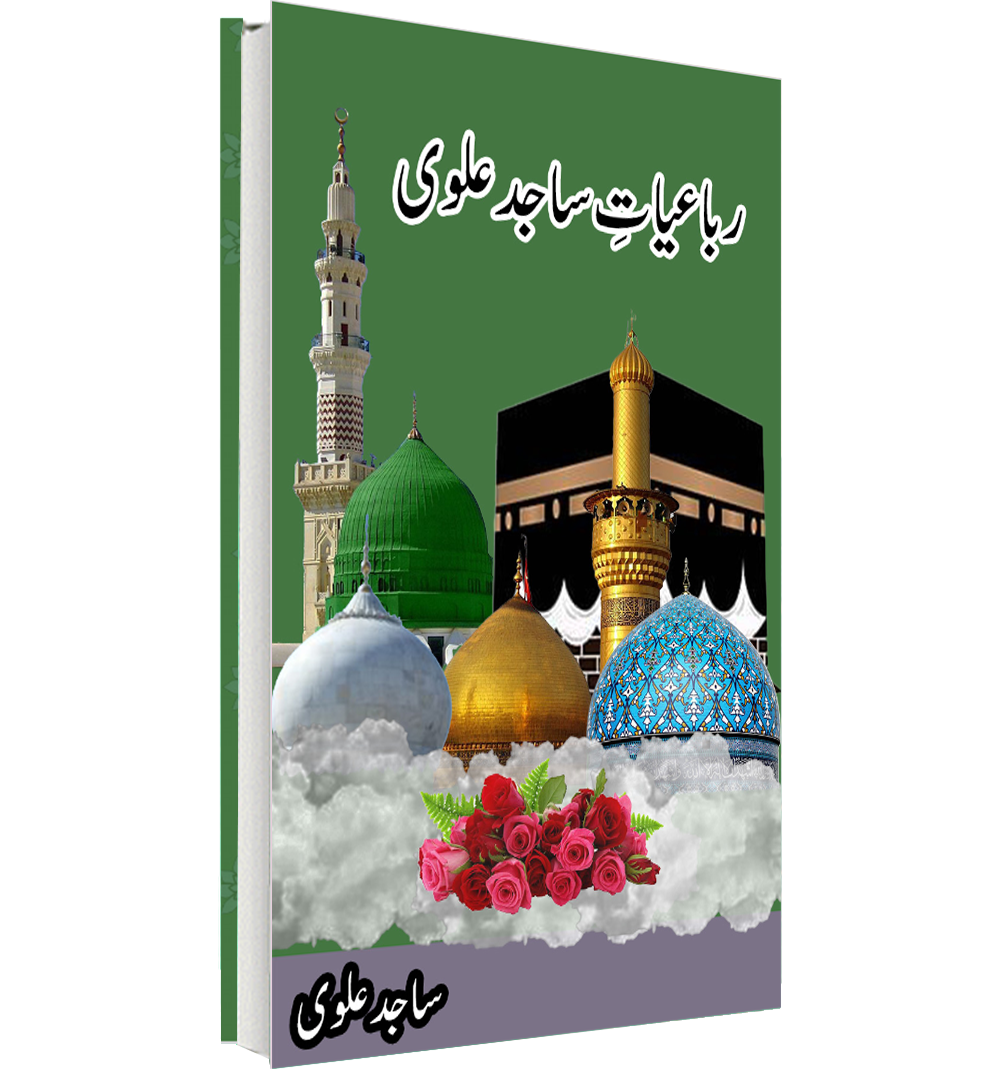
The collection of Rubaiyat by Sajid Alvi, especially dedicated to the esteemed and revered personality, Hazrat Pir Syed Shah Abdul Haq Gilani (may his soul rest in peace), is attributed to the shrine of Ghausia Mahriya Golra Sharif. Below Rubai is presented in the honour of famous Pir Sahib known as “Chote Lala Ji”
آئینۂ اَفلاک ہے شہ عبدالحق
شاخِ شَجرِ پاک ہے شہ عبدالحق
ایوانِ وَلایت کی وُہ روشن قندیل
نُورِ شہِؐ لولاک ہے شہ عبدالحق
زندگی گزری درِ مہرِؒ علی پر ساجدؔ
اپنا دربان مجھے آلِؑ عَبا نے رکھا
بحمد اللہ‘ چمن میں از سرِ نو پھر بہار آئی
گھٹا عشرت کی چھائی اور بوئے مشکبار ائی
سحر ہوئی تو ہر ایک لب پہ شور محشر تھا
ہم اور ذکر شب انتظار کیا کرتے
دلِ حزیں کو خوشی کا پیام آیا ہے
مِری زباں پہ محمدؐ کا نام آیا ہے
سُرور و کیف سے مد ہوش دل کی دنیا ہے
ضرور دل کو جوابِ سلام آیا ہے
نبیؐ کا شہر ہے آہستہ سانس لے ساجدؔ
نظر جُھکا درِ خیرالاَنام آیا ہے
آئینۂ اَفلاک ہے شہ عبدالحق
شاخِ شَجرِ پاک ہے شہ عبدالحق
ایوانِ وَلایت کی وُہ روشن قندیل
نُورِ شہِؐ لولاک ہے شہ عبدالحق